What every parent should know about developing a healthy relationship with food in a child?
Teaching children to eat healthy/17 January 2021
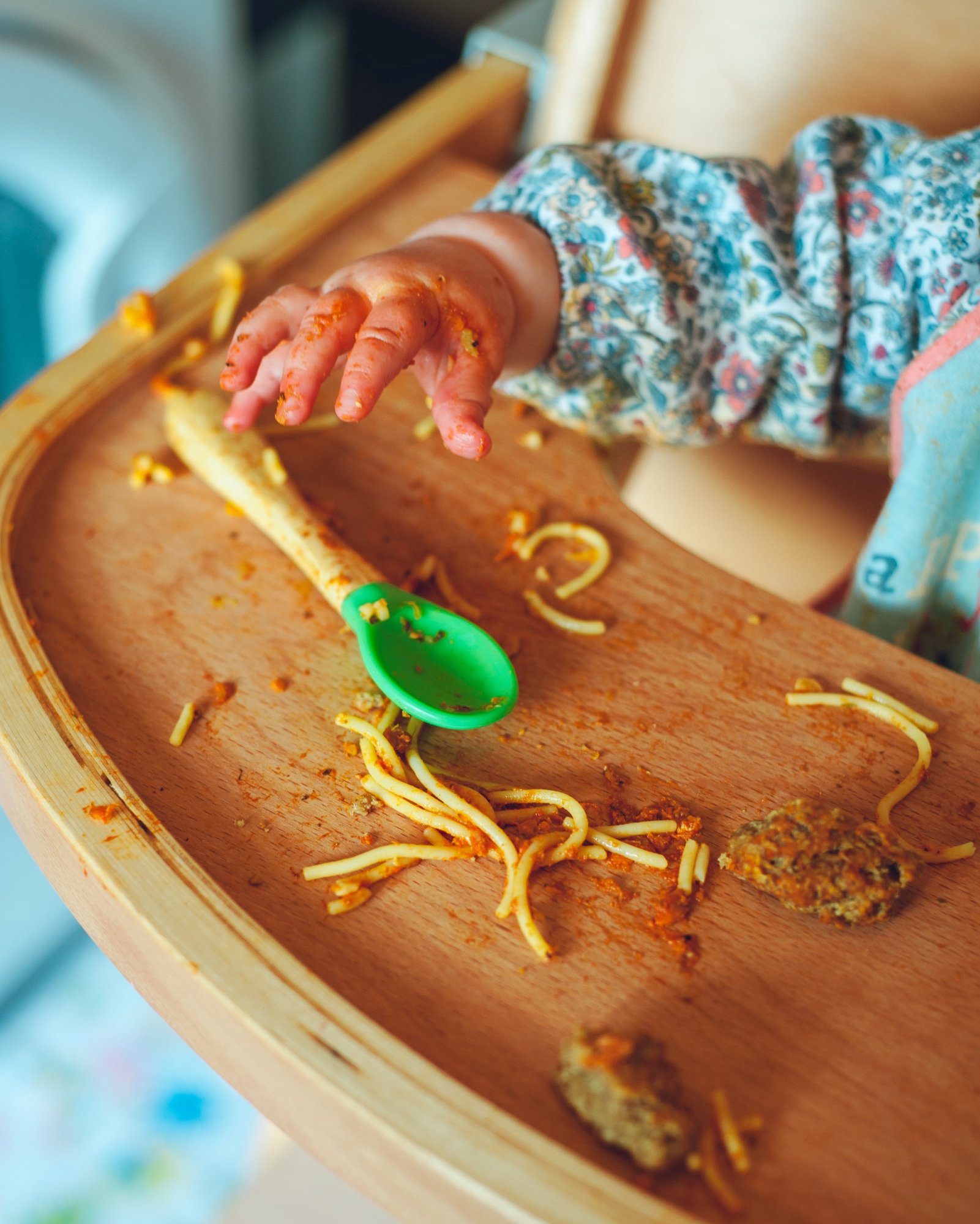
Baby Nutrition - Is one of the most controversial topics that all parents are concerned about.
There are so many factors involved, some of them are:
- the upbringing and culture in the family of the parents themselves
- your idea of what and how your child should eat
- the endless fears that the child will not get enough of something, will not get enough, will not get the right macro/micronutrients
At the same time, many parents are rightly worried when his child is picky in food and does not eat those foods that are maximally rich in vitamins and minerals.
It is wrong to believe that a child’s nutrition is directly dependent on society (kindergartens/schools). A child’s eating habits are 70% dependent on their parents/family.
At the very beginning, it is important to understand who is responsible for what in the relationship with food. Parents are responsible for what the child eats, when and where. The child, on the other hand, is responsible for whether he or she wants to eat that food and is full. It is absolutely incorrect to tell the child that he must finish all the food and eat even what he strongly dislikes.
The main mistakes that parents make in the first stages of familiarizing the child with food:
- monotony of taste preferences
- food behavior of the parents themselves
- imposing their stereotypes and choices in food
- rigid control and regulation of what and when the child eats
- cooking the child only what he/she likes (pasta, sandwich) from day to day
- rewarding with sweets for eating a healthy portion of the plate
- eating a child’s meals accompanied by gadgets
It’s important to remember that healthy eating is about variety . Most parents give up very quickly when offering a child a new food item. According to scientific studies, it is important to offer the same food item to your child at least 10-12 times.
Those children who sit with adults at the same table in a supportive atmosphere, sharing healthy food among themselves, trying as much variety of food as possible, have a healthier and richer diet in the future. Always try to have your child eat with you, so that you can encourage your child to take a healthy interest in food.
Subscription
To avoid missing new posts, subscribe to our newsletter:
Nutritional
Counseling