Salt
About the products/20 January 2021
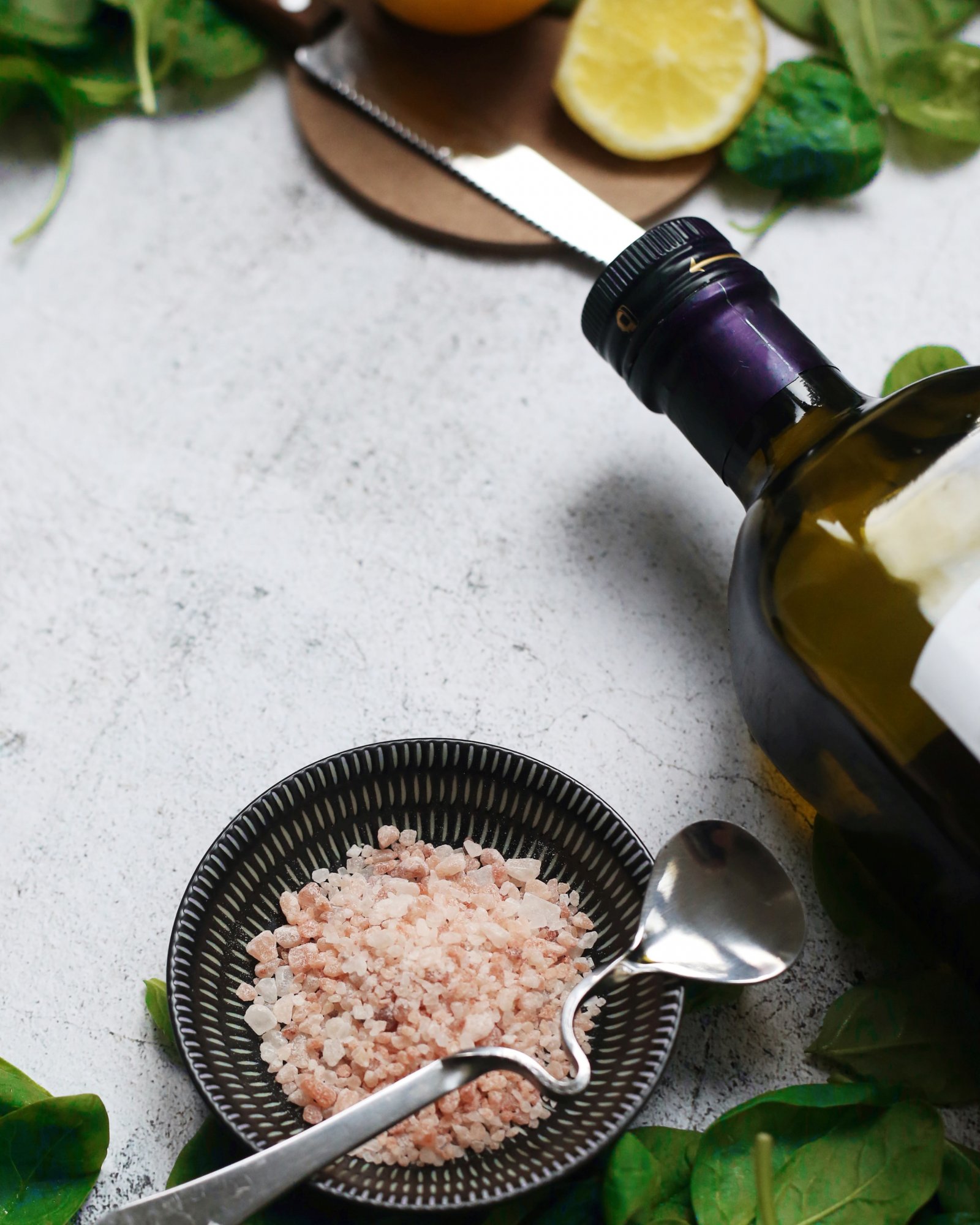
Salt - an ingredient that will bring out the flavor of absolutely any dish. In sweet baked goods and desserts we always add a pinch of salt to enhance the flavor.
The topic of salt is very controversial, because there are many different opinions such as the benefits of "salt-free diet", "the impact of salt in hypertension", etc.
There is a recommended norm of salt from the WHO - 2 grams per day (about 1 tsp. without a slide), which you can dosalivayut food during the day. During active sports and sweating, people lose a lot of sodium (electrolytes) from their body. In this case, the need for salt may be higher than a person who does not exercise.
There is a huge amount of research that shows the harm of salt in cardiovascular disease, but there is also new research that proves that salt-free diets and radical salt restriction in the diet can have just as negative an effect on cardiovascular disease.
I’ll give you some facts about salt, and you moderately incorporate it into your diet.
Salt in its traditional chemical formula is the sodium and chlorine molecule NaCl.
Chlorine, which we get exclusively from salt, is a constituent of our gastric juice and we really need it to make it. If you want to have normal acidity of gastric juice - a certain amount of salt should be in your diet.
The same goes for sodium - a vital macronutrient. Sodium is not even a micro-, but a macronutrient, because it is one of the 4 basic elements of our body. That is, the role of sodium in the biochemical processes of the body is critical. This is why people can experience headaches, muscle weakness, and other unpleasant conditions if they are deficient in magnesium. Sodium is a major player in immune exchange between the intercellular space and the cell and its role is particularly important, so in practice, when you change your diet, electrolyte loss can occur.
Consumption of saline electrolyte or mineral water that contains sodium is very important in order to get through this adaptation period to using this or that illuminative nutritional strategy.
Also those people who have chronic fatigue syndrome always have cravings for salty foods because when stressed, electrolytes are withdrawn and the need for salt increases.
Some types of salt:
Pink Himalayan salt
This salt has a high trace element composition, much higher than rock salt. It is believed that Himalayan salt contains all 84 trace elements and its composition replicates the source of life - the world’s ocean. Sounds romantic :) and there is some truth to it.
Stone salt
It is a source of sodium and chlorine. It is often iodized with potassium iodate. It should be stored in a tightly closed salt cellar, because iodine is a very volatile element and if you store iodized salt in an open form, iodine in such salt does not remain at all. In my opinion, it is more appropriate to get iodine from other foods. Also with the replenishment of iodine in the body should be very careful to avoid a decrease in thyroid function.
Sea salt
Rich in flavor and it depends on what trace elements are included in its composition.
Black salt
Has its origin from the volcanic regions of India. Its peculiarity is that due to the content of sulfur, it has an egg flavor. Such salt is not to everyone’s liking. It gives dishes a pronounced flavor and, frankly speaking, some dishes from it have a dirty look :)
One nuance - it is less salty and therefore you can abuse its amount. You need to remember that in addition to normalizing digestion and enzyme function of the pancreas, it has a slight loosening effect.
*it is very important to look at the country of origin of salt on the package
I recommend having different types of salt in your kitchen collection, not only for health reasons, but also for the variety and joy of flavoring your dishes.
Ask a questionSubscription
To avoid missing new posts, subscribe to our newsletter:
Nutritional
Counseling