Fruit. What is the right way to eat it?
About the products/18 January 2021
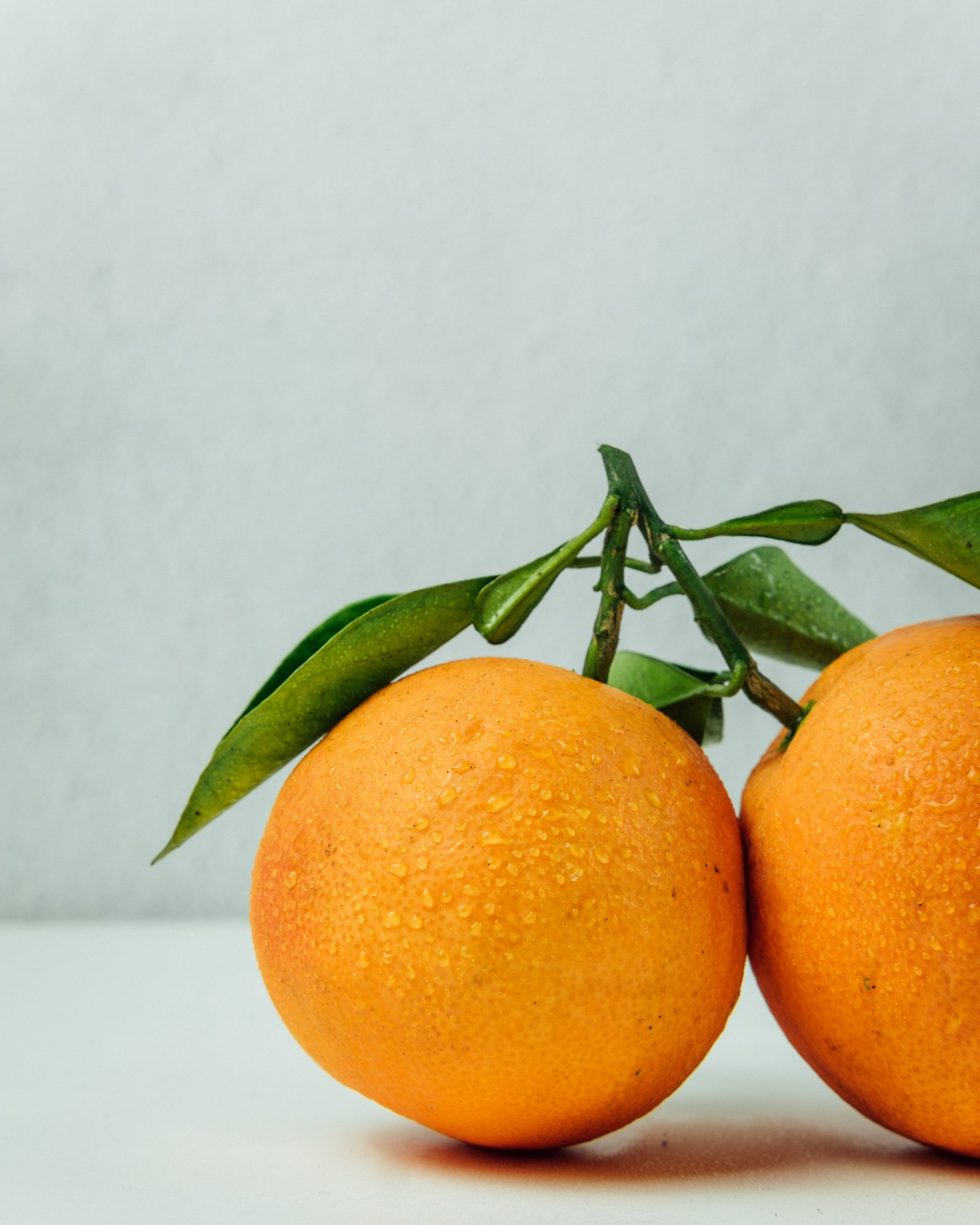
Fruit. Who should eat them? Is it okay to eat them? How much? When? Are they healthy? The questions are always numerous. There is even, as you know, a whole trend of fructarianism, when people eat fruit exclusively, claiming that it has enormous benefits for the body.
Let’s look at a few basic points to pay attention to:
1. Fruit is not a universal source of vitamins
The amount of vitamins and micronutrients in fruits is very minimal and I attribute the benefits of fruits primarily to the soluble fiber in them - pectin. It is difficult to get the necessary amount of vitamins and essential trace elements from fruit, so do not be under any illusion that it is a complete source of vitamins and trace elements. Moreover, in view of the development of agricultural technologies, the apple of the 50s of the last century and the modern apple on the content of the same iron differs almost ten times, so it is worth paying attention to some other categories of products as sources of vitamins.
2. Fruits are sources of antioxidants (especially purple colored fruits)
The topic of antioxidants is very controversial and abusing or additionally dating them with nutraceuticals is a controversial endeavor because excessive amounts of antioxidants are just as likely to provoke unwanted processes, including oncogenic processes. Although antioxidants are designed to fight cancer, it’s the amount that matters, no abuse.
Antioxidants. What you need to know
3. Who should eat fruit and when
The answer lies solely in the realm of a personalized approach to nutrition. Each person has a different relationship with fruit. In particular, I am approached by people who have metabolic syndrome and insulin resistance, that is, people with excess fat deposition in the abdominal area and receptor insensitivity to insulin hormone signaling.
Fruits have the ability to dramatically increase blood glucose and insulin release. Accordingly, isolated fruit consumption outside of meals is not indicated for this category of people. I would not recommend them to consume fruit before meals and an hour, two, three after, in other words, on an empty stomach.
When there is excessive fat deposition especially in the abdominal area or inflammatory processes in the body, a person may experience a condition such as leptin resistance. With leptin resistance, the amount of fructose you consume matters. Fructose is able to bind to the receptors for leptin and accordingly, the non-satiating ability of fruit is associated with this. You may notice that if you use fruit as a snack, you are unlikely to experience satiety, this is due to the effect of fructose. If you have leptin resistance, the amount of fruit should be limited. The recommended intake of fructose per day is 20-30 grams, so you should not demonize fruit in leptin resistance, there should not be a complete refusal, but you should still limit their consumption, and focus on berries, especially those that grow on the ground. Tables on the fructose content of fruits abound on the internet, take advantage and adjust your intake in your daily diet.
4. Consuming fruit and food together causes fermentation or putrefaction in the body
This is actually not true at all! Putrefaction, fermentation, and excessive gas production are related to the state of your microcosm. If you have excess fungal or bacterial growth, then regardless of when you eat fruit, you may have excessive gas formation. If you don’t have excess bacterial growth syndrome, it is perfectly acceptable to use fruit as a dessert after a meal and in my opinion this is optimal, but there is one BUT. If you have an initial state of reduced acidity - hypoacidity, then the use of fruit immediately after a meal can reduce this acidity even more strongly, because weak fruit acids have alkaline properties in relation to strong inorganic hydrochloric acid. Therefore, if you have an uncorrected state of hypoacidity, it is not worth consuming fruit immediately after a meal, it is better after 40-50 minutes.
Take care of yourself and be healthy.
Ask a questionSubscription
To avoid missing new posts, subscribe to our newsletter:
Nutritional
Counseling