The global cocoa bean crisis
About the products/3 April 2024
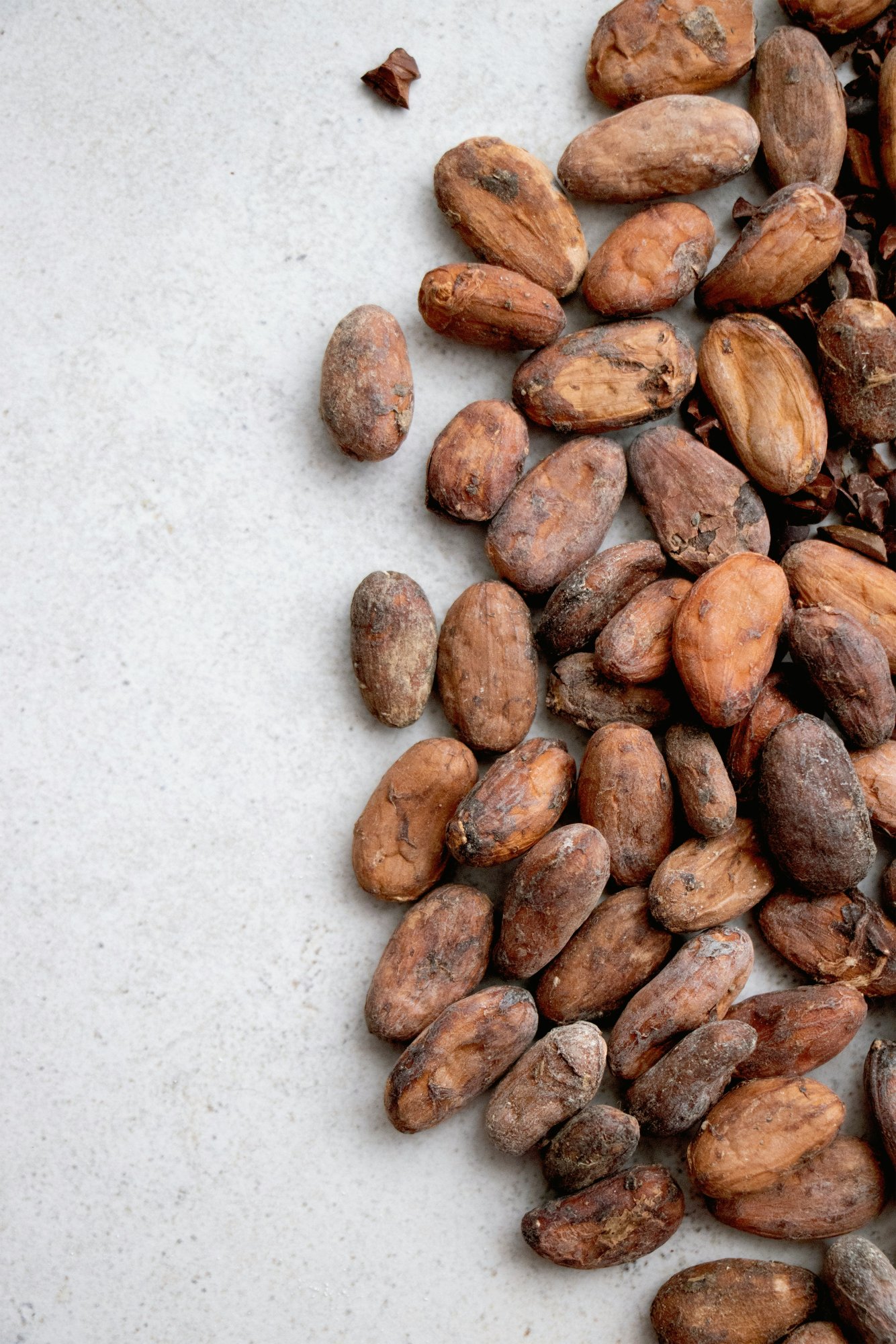
Chocolate is always about pleasure and nowadays it is almost second gold (if we are talking about quality), as the cocoa bean world is facing a crisis that affects several aspects of the global economy and agriculture.
One of the main factors driving the cocoa crisis is climate change. Extreme weather conditions, such as droughts and floods, can negatively affect the harvest of cocoa trees. Reduced harvests lead to higher prices for cocoa beans and increased production costs.
Cocoa trees are also attacked by various diseases and pests. Combating these problems requires high costs for plant protection and the use of chemical pesticides, which also affects the quality and environmental safety of products.
Growing demand for chocolate globally is leading to higher prices for cocoa beans. However, many producing countries, particularly in West Africa, where most cocoa production is concentrated, face economic difficulties, such as low wages for farmers and problems with labor conditions. This can lead to a decrease in the quality of cocoa beans grown and a decrease in their quantity on the market.
In order to overcome the cocoa crisis, a comprehensive approach should be implemented, including:
- stimulating agriculture - supporting farmers and cocoa producers by providing them with access to new technologies, plant protection products and increasing their economic stability
- green urbanization - finding new places to grow cocoa trees, such as urbanized areas or vertical farms, which can reduce the negative impact of climate change and increase production
- stimulating innovation - developing new hybrid varieties of cocoa trees that are more resistant to disease and climate change
70% of cocoa bean cultivation is concentrated in two African countries, Côte d’Ivoire and Ghana, and the problems they face have been taking root for years, so there are no prospects that the crisis will be resolved in the near future.
The consequences have already been felt by Ukrainian producers, and since the beginning of the year, chocolate prices have risen by 25%.
For me personally, it is extremely important that amid the crisis, bona fide producers do not compromise on quality and do not mix chocolate composition, reducing costs to increase profits.
Chocolate is not only a taste, but also a part of the culture and economy of many countries. Understanding the causes of this crisis and taking the necessary measures will help preserve this valuable product and ensure its availability for future generations.
Ask a questionSubscription
To avoid missing new posts, subscribe to our newsletter:
Nutritional
Counseling