Daytime sleep
Useful tips/28 February 2024
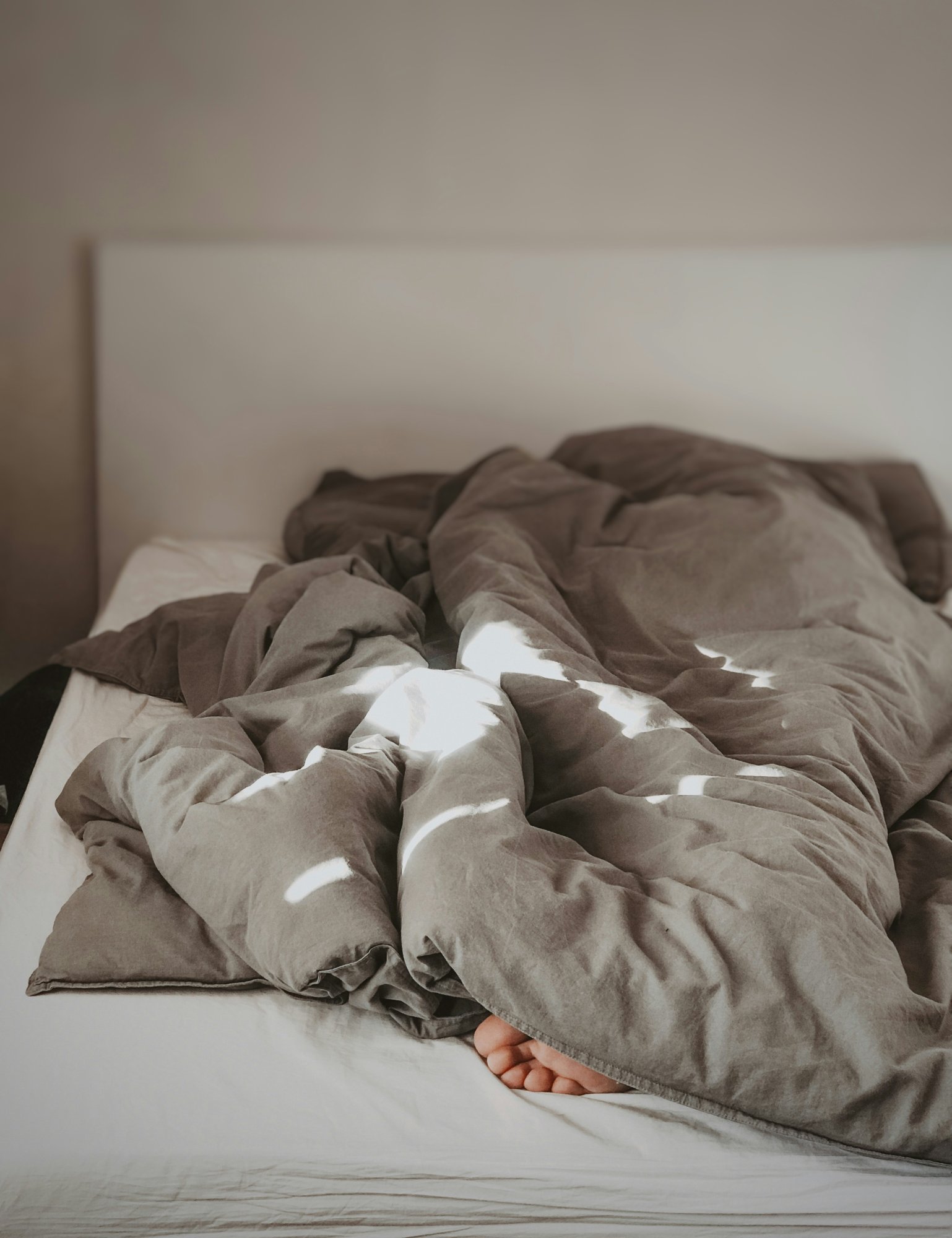
Daytime sleep as a health management tool.
Several ways to make this tool effective.
The topic of the daytime siesta in Spain is very justified. The siesta really helps to restore the body, because it allows the production of a small but important amount of growth hormone, which restores the body, is responsible for the anti-age segment, youth and the amount of muscle tissue in the body. This is an effective opportunity to get a second peak of growth hormone production during daytime sleep.
There are only two things you need to know:
- time of going to bed for daytime sleep
- the duration of daytime sleep
It is recommended to go to bed so that you wake up no later than 16:00-16:30. If you wake up later, it can throw off some circadian rhythms and then you may have difficulty falling asleep in the evening.
A short daytime nap can compensate for not getting enough sleep at night. Sleep is a circadian rhythm where specific neuroendocrine fluctuations occur, such as a decrease in blood pressure, a decrease in body temperature, etc.
One of the classifications of sleep phases:
- the first phase is slumber
- second - surface sleep
- third - deep delta sleep phase of brain activity
And here is an important recommendation: if you catch up on your nightly sleep during the day, it should be very short. Sleep should not last for hours, because we sharply lower our temperature, including heart rate and blood pressure, and then wake up abruptly, thereby causing specific stress to the body.
During daytime sleep, it is important not to fall into the third phase of sleep. This is when you will avoid the effect that is known in the scientific world as sleep inertia (the phase of slow eye movement). After such a sleep, you will be as inefficient as possible.
On average, 30 minutes is half a sleep phase and it is enough to compensate for fatigue or lack of sleep. In cases where the night was completely sleepless, the same applies to night shifts - you must get enough sleep, that is, 7-8 hours of daytime sleep and preferably in the dark, because darkness is more important than sound for melatonin synthesis. To do this, close the curtains tightly or wear a sleep mask.
Sleep should be short and then it will be a great tool to restore productivity in the afternoon.
Take advantage of it, sleep during the day if you need to and if you can, and stay healthy.
Ask a questionSubscription
To avoid missing new posts, subscribe to our newsletter:
Nutritional
Counseling